

Does Blowing Your Nose Make Cold Symptoms Worse?
Blowing your nose can temporarily relieve congestion, but if done too forcefully, it may worsen cold symptoms by pushing mucus back into the sinuses. This can increase pressure and potentially lead to sinus infections. It’s important to blow your nose gently to minimize these risks. For personalized advice and proper care, consult Dr. Thomas N. Robeson, MD. For more information, please contact us or schedule an appointment online. We are conveniently located at 704 Thimble Shoals Blvd Suite 700, Newport News, VA 23606.
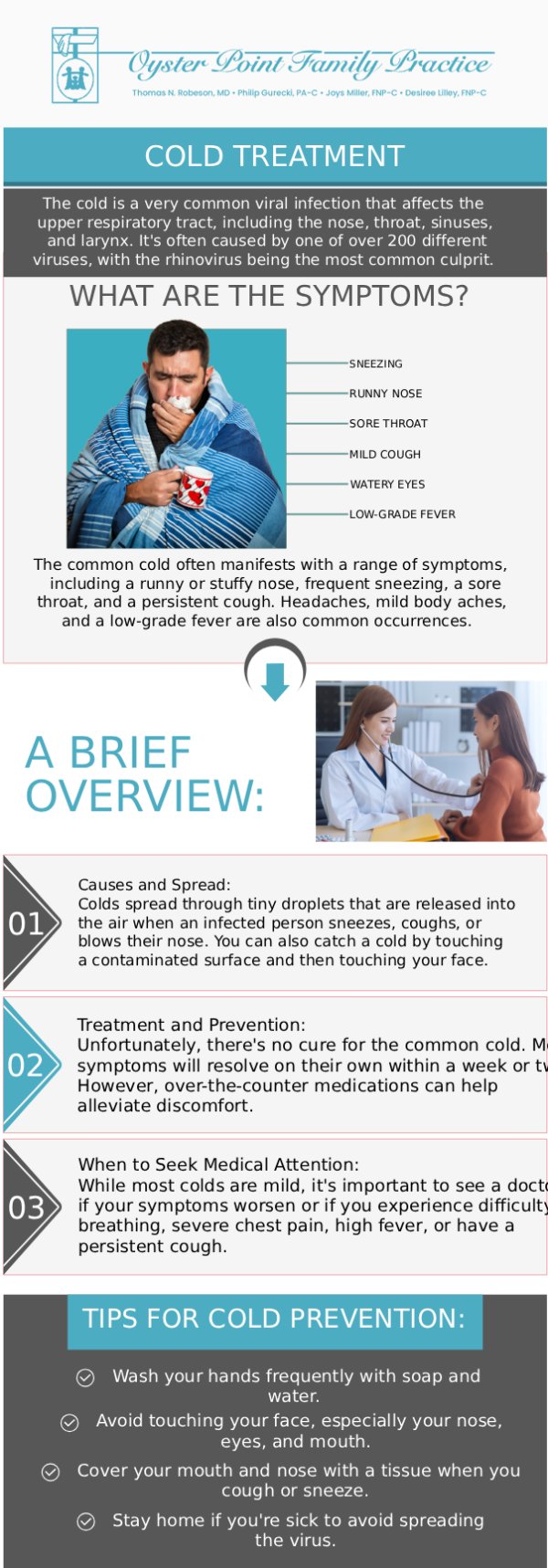
Table of Contents:
Can blowing your nose frequently make cold symptoms last longer?
Does blowing your nose push mucus back into the sinuses or ears, worsening the symptoms?
How can blowing your nose improperly affect the recovery process from a cold?
Are there any risks associated with blowing your nose too hard when you have a cold?
How can Dr. Thomas N. Robeson, MD, at Oyster Point Family Practice help manage your cold symptoms effectively?
At Oyster Point Family Practice, we often see patients who are dealing with the discomfort of a common cold, especially nasal congestion and excess mucus. While blowing your nose can provide temporary relief, it’s important to know that this habit won’t actually shorten the duration of your cold. Colds are caused by viruses, and your immune system usually clears them up within seven to ten days.
Gentle nose blowing can help clear mucus and make breathing easier, but forceful or frequent nose blowing can irritate your nasal passages and the skin around your nose. In rare cases, vigorous nose blowing might even push mucus into your sinuses, which could increase your risk of developing a secondary sinus infection.
To help our patients recover comfortably, we recommend the following:
• Blow your nose gently and use soft tissues to minimize irritation.
• Keep the skin around your nose moisturized with a gentle ointment or balm.
• Stay hydrated to help thin mucus and keep your airways moist.
• Use saline sprays to soothe and clear nasal passages.
• Practice good hand hygiene to prevent the spread of infection.
If you have concerns about your symptoms or think you might be developing a sinus infection, don’t hesitate to contact us. Our team is here to support your recovery and answer any questions you may have about managing cold symptoms.
Blowing your nose is a common way to clear mucus, but did you know that blowing too forcefully can actually make things worse? When you blow your nose very hard, you can push mucus back into your sinuses or toward the Eustachian tubes that connect to your ears. This can lead to increased congestion, sinus infections, or even ear problems like discomfort and middle ear infections.
Our Advice:
To protect your sinuses and ears, we recommend blowing your nose gently, one nostril at a time. This approach helps remove mucus while reducing the risk of pushing it into areas where it can cause problems.
If you find you need to blow your nose frequently, or if you’re experiencing ongoing ear pain, pressure, or sinus symptoms, don’t hesitate to reach out to Oyster Point Family Practice. Our healthcare team is here to help you manage these issues and keep your respiratory health on track.
Blowing your nose too forcefully or pinching one nostril tightly can increase pressure in your nasal passages. This excessive pressure may push mucus, along with germs, back into your sinuses or middle ear, raising your risk for sinus or ear infections—conditions we frequently help treat here at our practice.
Additionally, vigorous nose blowing can irritate the lining of your nose, potentially causing inflammation or minor nosebleeds. This irritation can make your nose feel even more blocked and uncomfortable.
Our team recommends gentle nose blowing for relief. Try to blow with both nostrils partially open and use soft tissues. This approach helps clear mucus without causing additional problems, supporting a smoother recovery.
At Oyster Point Family Practice, we often see patients who come in with concerns related to seasonal colds and nasal congestion. While blowing your nose can help relieve congestion, it’s important to do so safely. Blowing your nose too forcefully increases the risk of pushing mucus and germs into your sinus cavities or middle ear, which can lead to complications such as sinus or ear infections. This is because the Eustachian tubes connect your nose to your ears, making it easier for germs to travel.
Additionally, using too much pressure when blowing your nose can damage the delicate lining inside your nostrils, sometimes resulting in nosebleeds. In rare cases, very forceful nose blowing may cause minor injuries, such as rupturing small blood vessels or causing air to become trapped under the skin around the eyes, which can lead to swelling.
To help prevent these issues, we recommend blowing your nose gently, one nostril at a time, and using soft tissues to reduce irritation. If you experience frequent nosebleeds, significant pain, or if your symptoms worsen after blowing your nose, please reach out to us at Oyster Point Family Practice. Our healthcare providers are here to help you find safe, effective ways to manage your symptoms and keep you healthy.
At Oyster Point Family Practice, our experienced team, led by Dr. Thomas N. Robeson, MD, is dedicated to helping you manage your cold symptoms with a comprehensive and personalized approach. When you visit our practice, we will carefully evaluate your symptoms, medical history, and overall health to ensure your illness is correctly identified as a common cold, rather than a more serious condition such as the flu or a bacterial infection.
Our providers will recommend supportive care strategies tailored to your needs, including guidance on the safe use of over-the-counter medications to relieve fever, congestion, and sore throat. You’ll also receive practical advice on effective home remedies, such as staying well-hydrated, getting plenty of rest, and using saline nasal sprays or warm fluids to ease discomfort.
Should your cold lead to complications like sinus infections or bronchitis, our team at Oyster Point Family Practice is equipped to promptly diagnose and address these issues. For patients with chronic conditions such as asthma or other respiratory concerns, we create individualized treatment plans to ensure these health needs are managed while you recover.
At Oyster Point Family Practice, you can trust that you will receive attentive, effective care to help you recover from your cold and get back to feeling your best. For more information, please contact us or schedule an appointment online. We are conveniently located at 704 Thimble Shoals Blvd Suite 700, Newport News, VA 23606. We serve patients from Newport News VA, Grafton VA, Hampton VA, Poquoson VA, Seaford VA, Carrollton VA, and surrounding areas.
Check Out Our 5 Star Reviews


Additional Services You May Need
• Annual Physicals
• Sick Visits
• Chronic Care Management
• Well Child Visits
• Women’s Health
• Blood Glucose Monitoring
• Bone Densitometer Testing (Dexa Scan)
• Pulse Oximetry Testing
• Pulmonary Function Testing
• Gynecology
• Newborn Care
• Acute Conditions
• Flu Shots
• School Physicals
• Minor Surgeries
• Chronic Conditions
• Physicals
• Covid-19 Vaccine Information
• Pre Operation Clearance Physicals
• Auto Accident Injury
• Cuts and Bruises
• Sprains & Strains
• Same Day Sick Visits
• Immunizations – Tdap
• MMR
• IPV
• Diabetes Management
• Pneumonia
• Shingrix
• Childrens Vaccines
• Walk-in Lab Services
• Women’s Physicals
• Men’s Physicals
• Sports Physicals
• PAP Smears
• COPD
• Geriatric Care
• Travel Medicine Clinic
• Osteoporosis
• Immunizations

Additional Services You May Need
• Annual Physicals
• Sick Visits
• Chronic Care Management
• Well Child Visits
• Women’s Health
• Blood Glucose Monitoring
• Bone Densitometer Testing (Dexa Scan)
• Pulse Oximetry Testing
• Pulmonary Function Testing
• Gynecology
• Newborn Care
• Acute Conditions
• Flu Shots
• School Physicals
• Minor Surgeries
• Chronic Conditions
• Physicals
• Cuts and Bruises
• Sprains & Strains
• Same Day Sick Visits
• Immunizations – Tdap
• MMR
• IPV
• Diabetes Management
• Pneumonia
• Shingrix
• Childrens Vaccines
• Walk-in Lab Services
• Women’s Physicals
• Men’s Physicals
• Sports Physicals
• PAP Smears
• COPD
• Geriatric Care
• Travel Medicine Clinic
• Osteoporosis
• Immunizations
• Covid-19 Vaccine Information
• Pre Operation Clearance Physicals
• Auto Accident Injury


 Send Text
 How May I Help You?